
The Impact of Tires on Fuel Consumption and the Environment
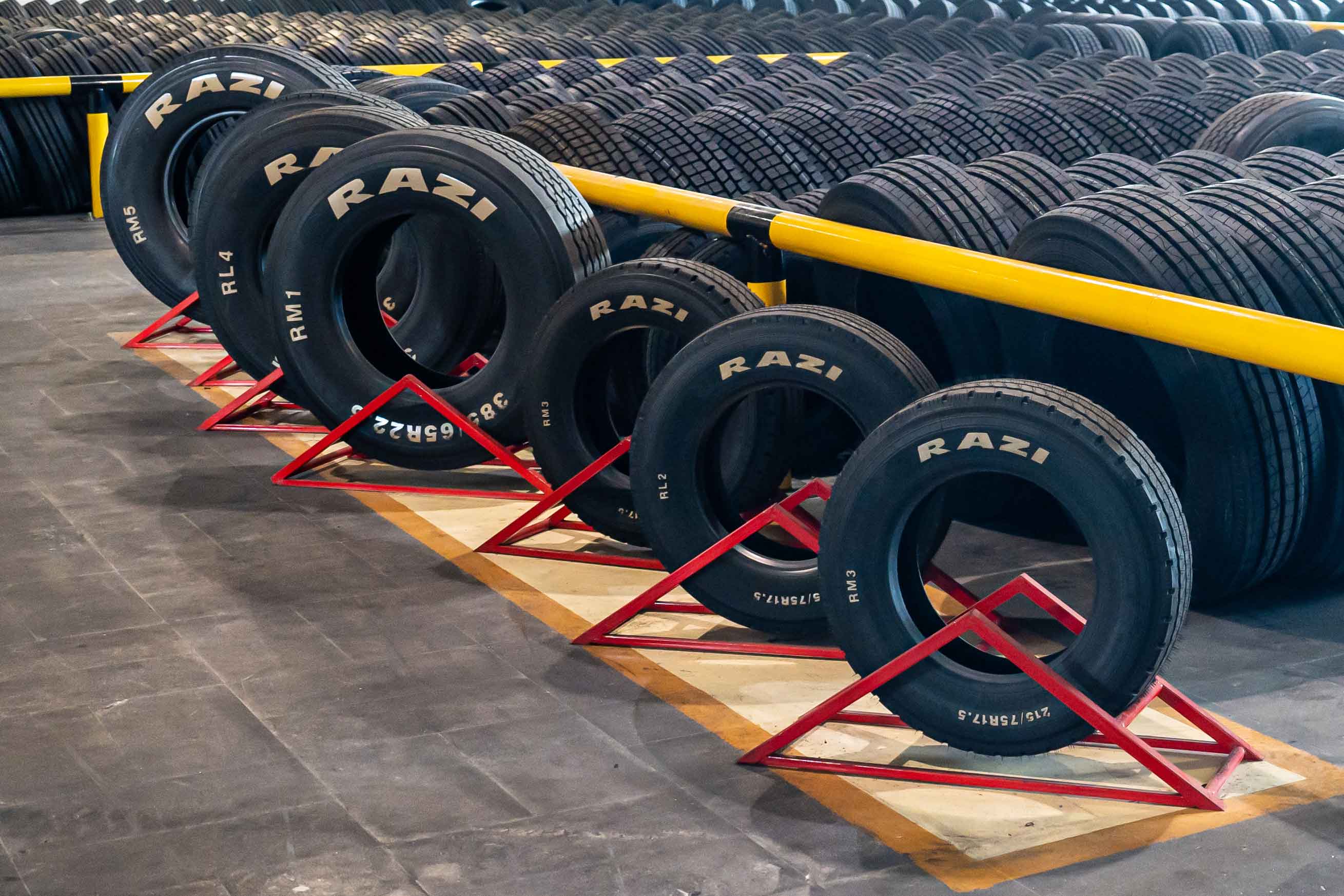
Car tires not only affect vehicle performance and safety, but they also have a direct impact on fuel consumption and the environment. In this article, we’ll explore the relationship between tires, fuel efficiency, and their environmental effects.
1. Rolling Resistance
Rolling resistance refers to the amount of energy required to keep a tire rolling on the road surface. The lower the rolling resistance, the less energy the vehicle needs to move, which results in reduced fuel consumption. Low rolling-resistance tires are usually made with special rubber compounds and tread designs that minimize friction.
2. Tire Pressure
Maintaining proper tire pressure plays an important role in reducing fuel consumption. Underinflated tires create higher rolling resistance, leading to increased fuel usage. Regularly checking and maintaining tire pressure helps lower fuel consumption while also extending tire life.
3. Eco-Friendly Tires
Today, many tire manufacturers are producing eco-friendly tires. These tires are made from sustainable materials and energy-efficient technologies while offering lower rolling resistance. Using eco-friendly tires not only reduces fuel consumption but also lessens environmental impact.
4. Recycling Worn-Out Tires
Old tires can be recycled into raw materials for producing new products. Recycling tires not only prevents environmental pollution but also helps conserve natural resources.
By choosing high-quality tires and following simple practices like maintaining proper tire pressure, you can reduce your vehicle’s fuel consumption and contribute to environmental protection.
Comments: