
Signs of Tire Wear and When to Replace Them
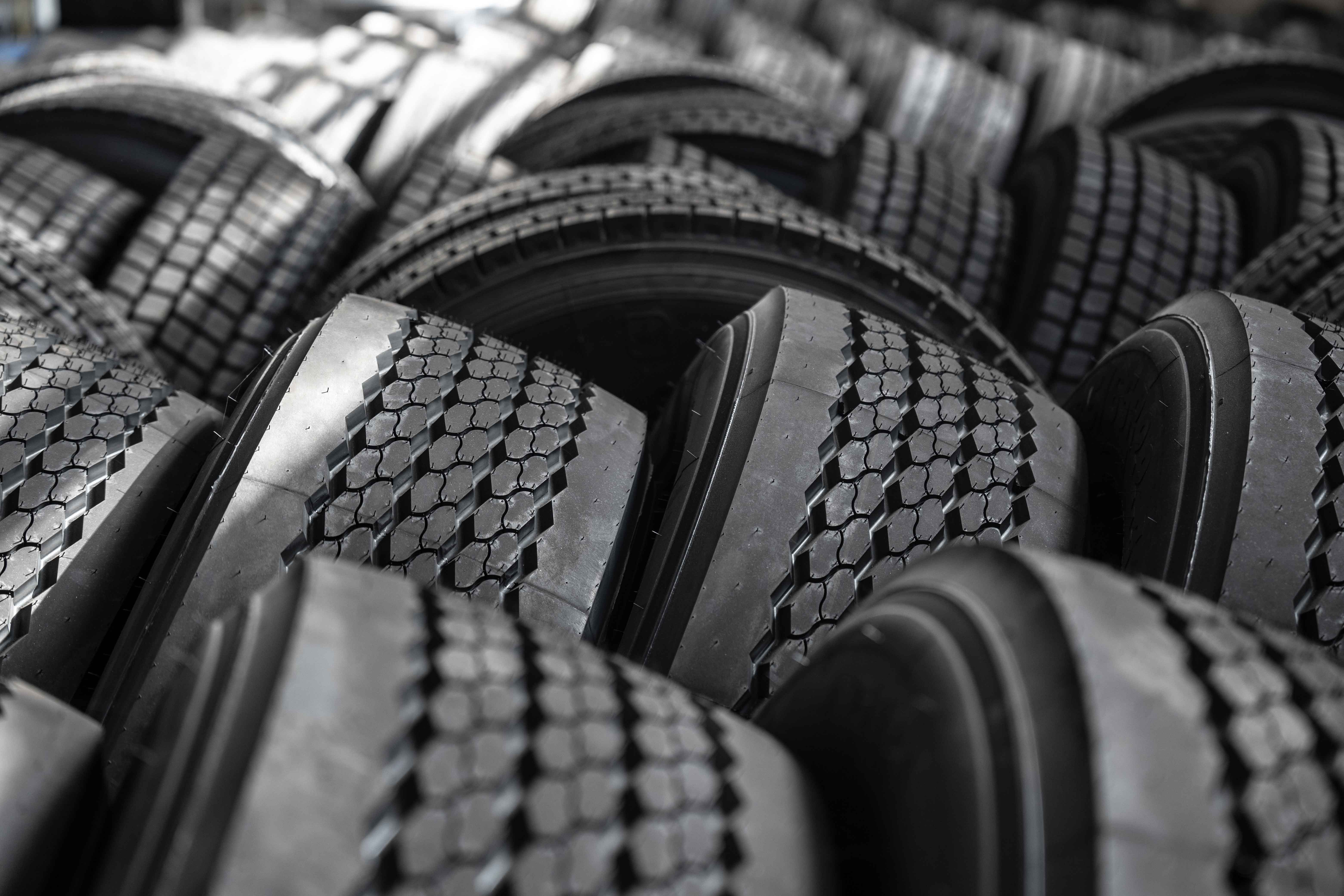
Car tires wear out over time and eventually need to be replaced. Driving on worn-out tires is not only dangerous but can also lead to road accidents. In this article, we will look at the signs of tire wear and the right time to replace them.
1. Reduced tread depth
Tread depth is one of the most important indicators of tire health. When the tread depth falls below 1.6 mm, the tire is considered worn out and should be replaced. You can measure tread depth using special tools or even a coin.
2. Cracks on the tire surface
Small or large cracks on the tire surface indicate aging and wear. These cracks usually form when tires are exposed to sunlight, heat, or chemicals for long periods. If the cracks are deep or widespread, the tire should be replaced.
3. Bulges or swelling on the tire
Bulges or swelling on the tire sidewall are usually caused by impact or internal tire damage. This issue can lead to a tire blowout and is very dangerous. If you notice such signs, replace the tire immediately.
4. Vehicle vibration while driving
If you feel unusual vibrations while driving, it may be due to uneven tire wear. Such vibrations can also indicate wheel misalignment or other tire issues.
5. Tire age
Even if the tires appear to be in good condition, they may still need replacement after 5–6 years of use. Over time, the rubber compounds dry out, become brittle, and lose performance.
By regularly inspecting your tires and paying attention to signs of wear, you can ensure the safety of both yourself and your passengers.
Comments: